Endlessly stretching across the land, Kushiro Shitsugen National Park is Japan’s largest wetland. From the moment you entrust yourself to its vast scenery and take a quiet, deep breath, your journey gently begins to open toward a sense of release. In areas accessible only with a Tsurui Village–certified guide, you can immerse yourself in a serene world preserved by untouched wetlands, where the presence of wildlife and the contours of the land shaped by the wind softly stir the heart. Time spent walking beneath the expansive sky, or gazing at the stars that envelop the night, becomes an experience that gently transcends the boundaries of everyday life. Here, amid grand nature, the heart loosens, and a quiet sense of discovery intertwines with refinement—this is the adventure Tsurui Village offers.


Kushiro Shitsugen National Park
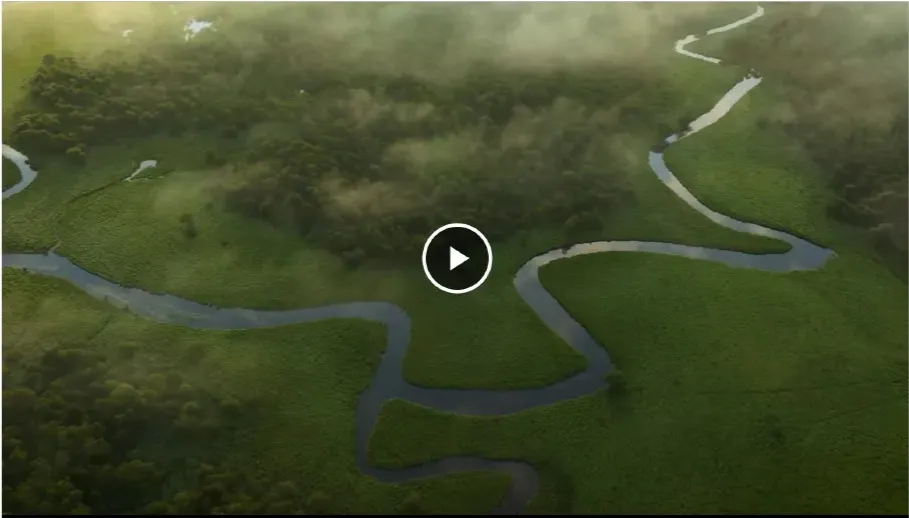
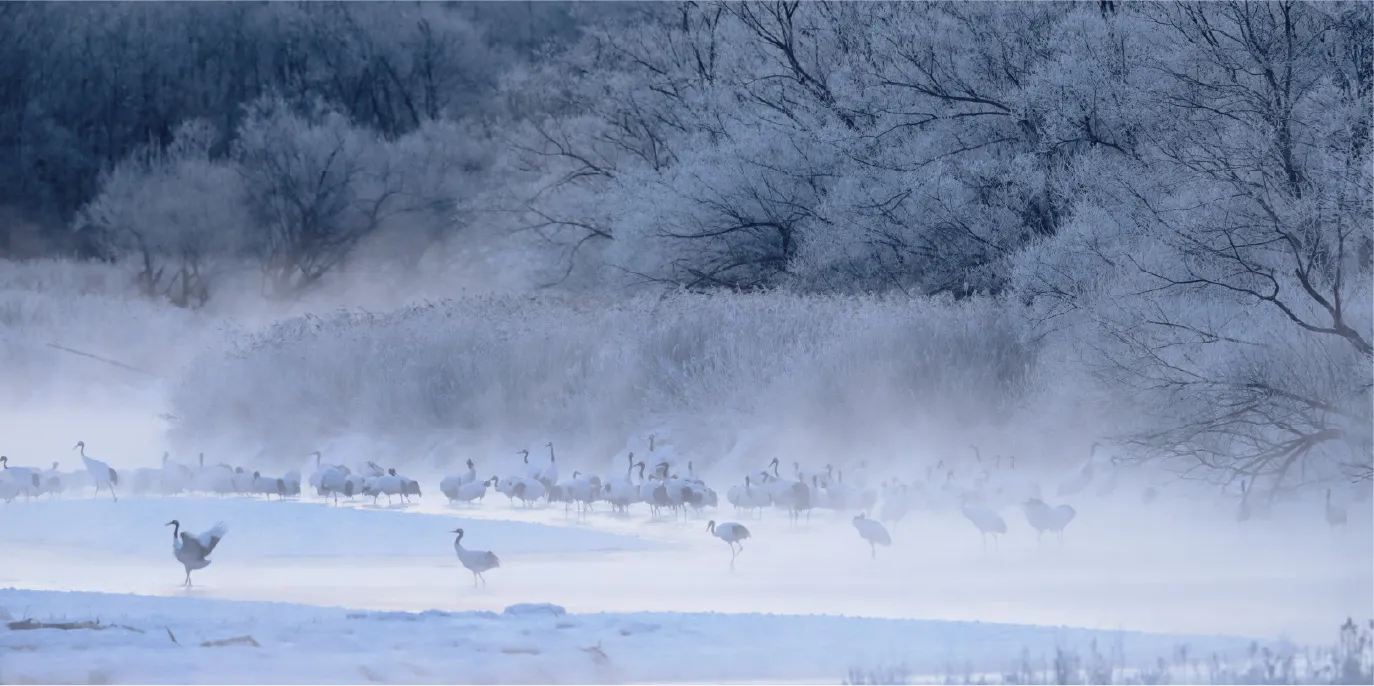
Kushiro Shitsugen National Park is an ancient “land of water,” shaped over immense spans of time. What was once sea slowly subsided, filled by rain and melting snow, eventually transforming into the wetlands seen today. Meandering rivers quietly carve their paths, nurturing life and giving rise to diverse landscapes of reed fields, raised bogs, and lakes. The plants that thrive here change their expressions with the seasons, while wildlife—including the Japanese crane, designated a Special Natural Monument of Japan—continues its life cycle within this natural rhythm. Vast waters untouched by human presence allow visitors to sense the depth of “nature’s time” and the quiet strength with which life endures, making this a truly rare national park even within Japan.
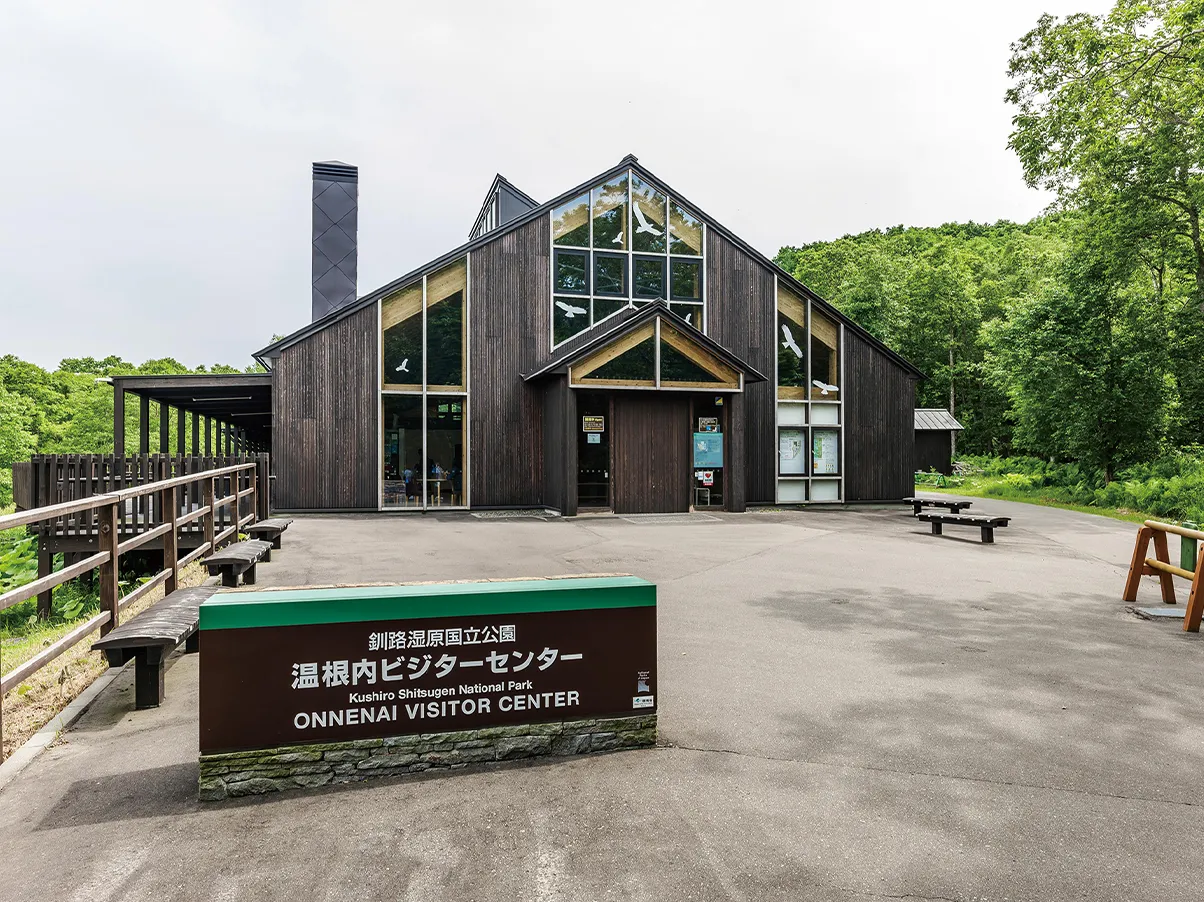
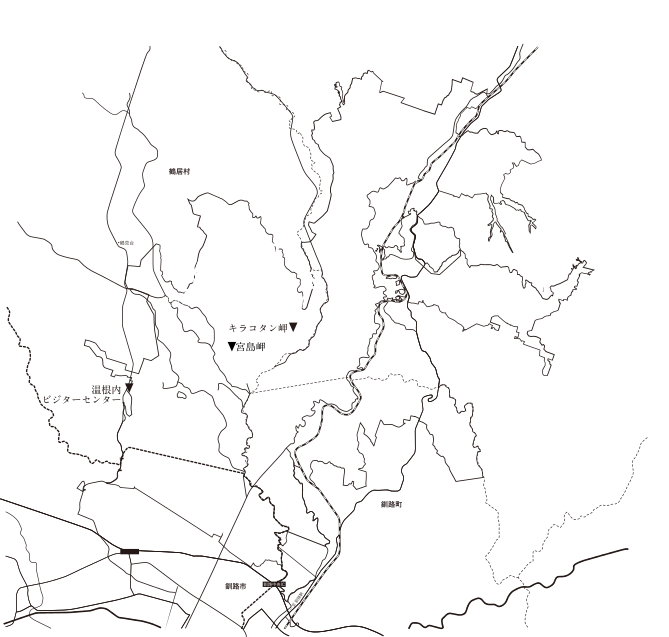
Onnenai Visitor Center
Enjoying the Wetlands Along Boardwalk Trails
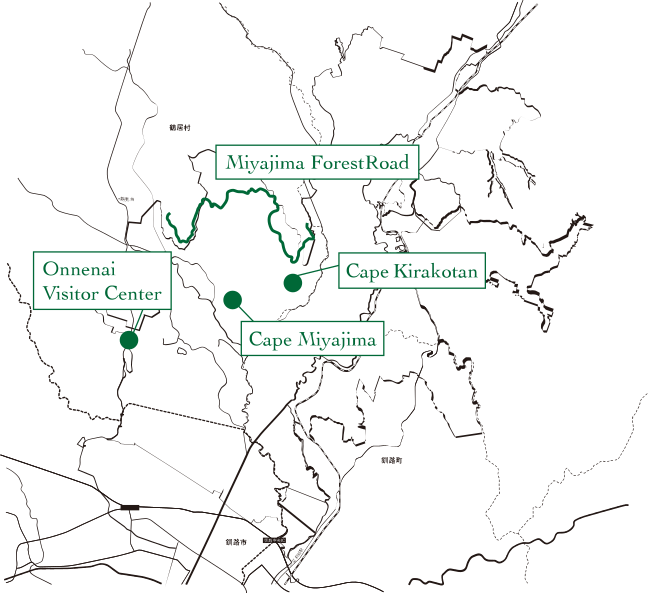
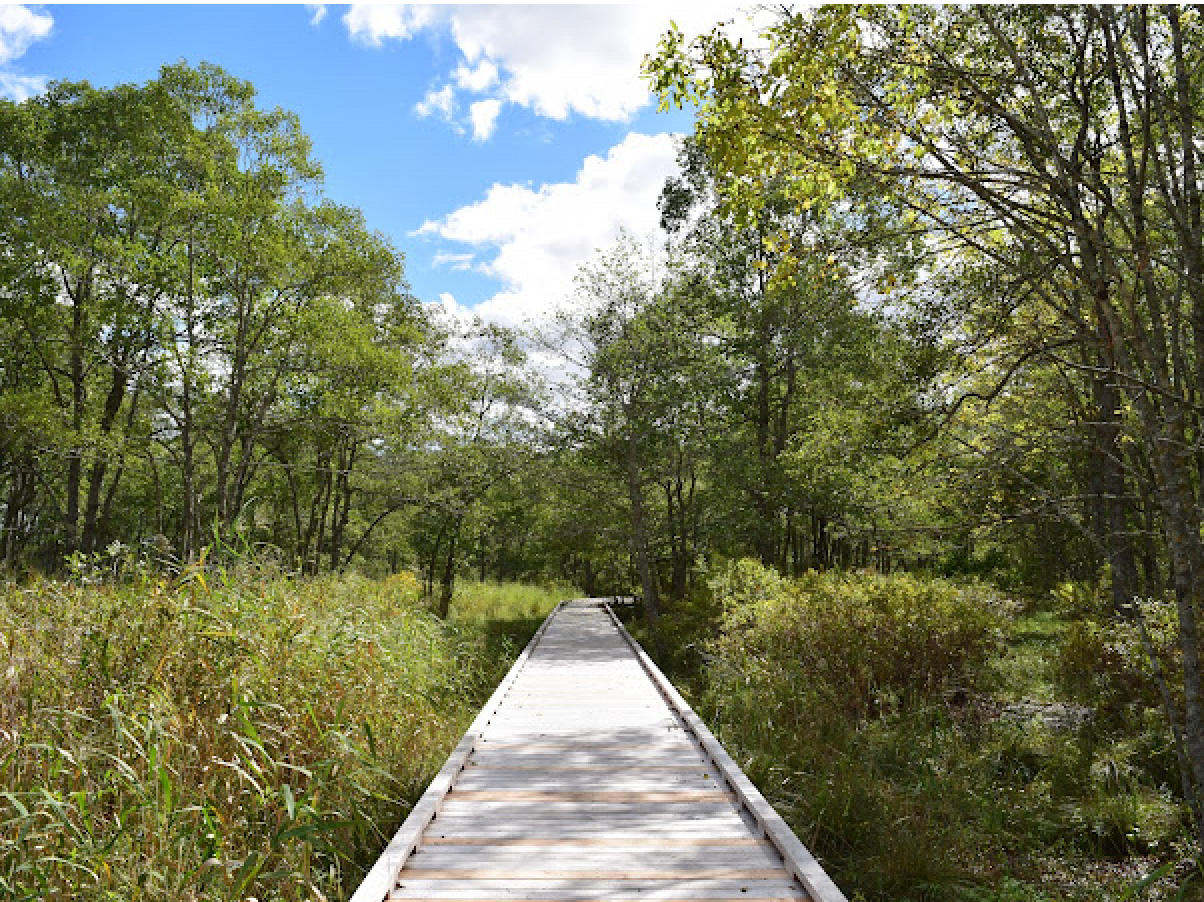
Located about 35 minutes by car from both JR Kushiro Station and Kushiro Airport, this is an easily accessible spot for enjoying the wetlands. From a large parking area along Route 53, a short three-minute walk leads to the visitor center, where exhibits introduce the plants and animals of the wetlands and highlight seasonal points of interest. From the center, a 3.1-kilometer wooden boardwalk loop takes about 90 minutes to complete, allowing visitors to enjoy the wetlands’ changing expressions throughout the year.
Grassland birds such as stonechats inhabit the Kushiro Wetlands. In summer, visitors may see fireflies glowing along the boardwalk; in autumn, they can listen to the calls of Japanese cranes beneath clear skies; and in winter, cross-country skiing or snowshoeing offers opportunities to spot Ezo deer while exploring the landscape.

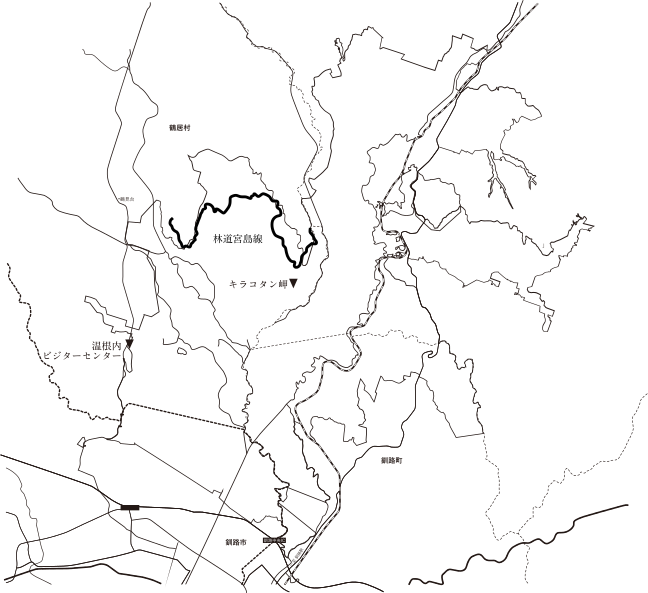
Cape Kirakotan
Pristine, Untouched Views of the Kushiro Wetlands
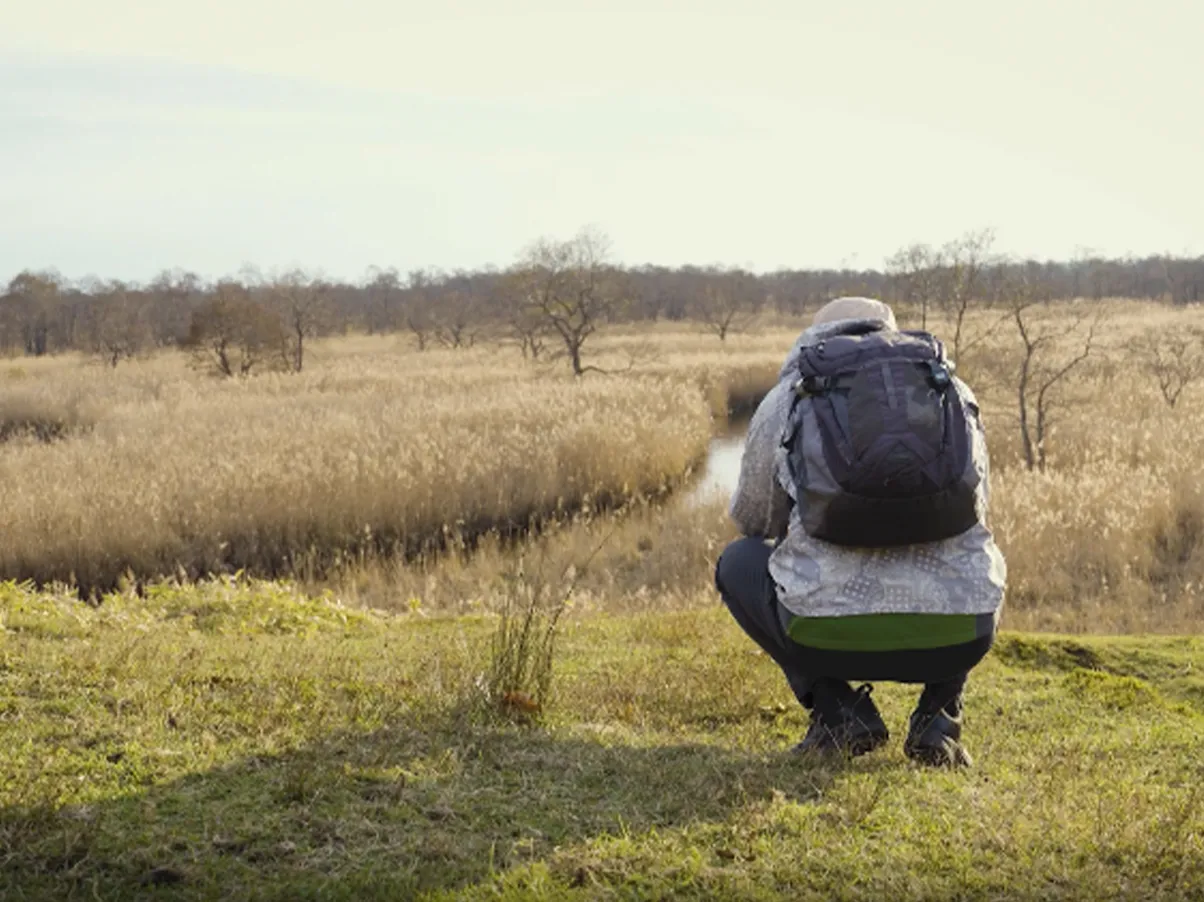
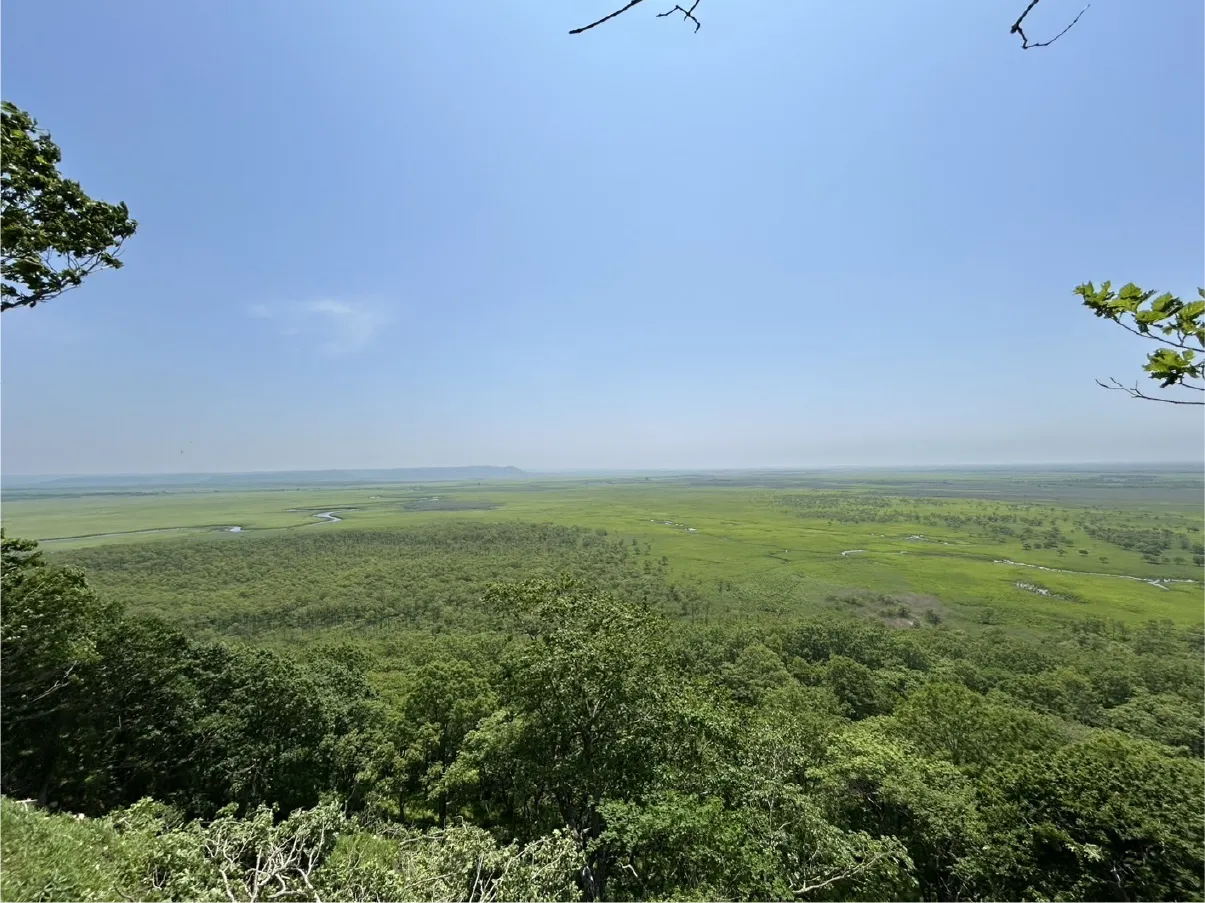
Designated as a Special Protection Area within the Kushiro Wetlands, this region is one of the places where Japanese cranes—once thought extinct in the 1920s—were rediscovered. Even today, it can only be accessed on foot or horseback, earning it the name “the sacred sanctuary of the wetlands.” The meandering river, a core natural feature of Kushiro Shitsugen, creates scenery of overwhelming scale and beauty that leaves visitors at a loss for words.
As this is national land and a Natural Monument area, entry requires permission from the Agency for Cultural Affairs.
For details, please contact the Tsurui Village Board of Education (TEL: +81-154-64-2050).
Cape Miyajima
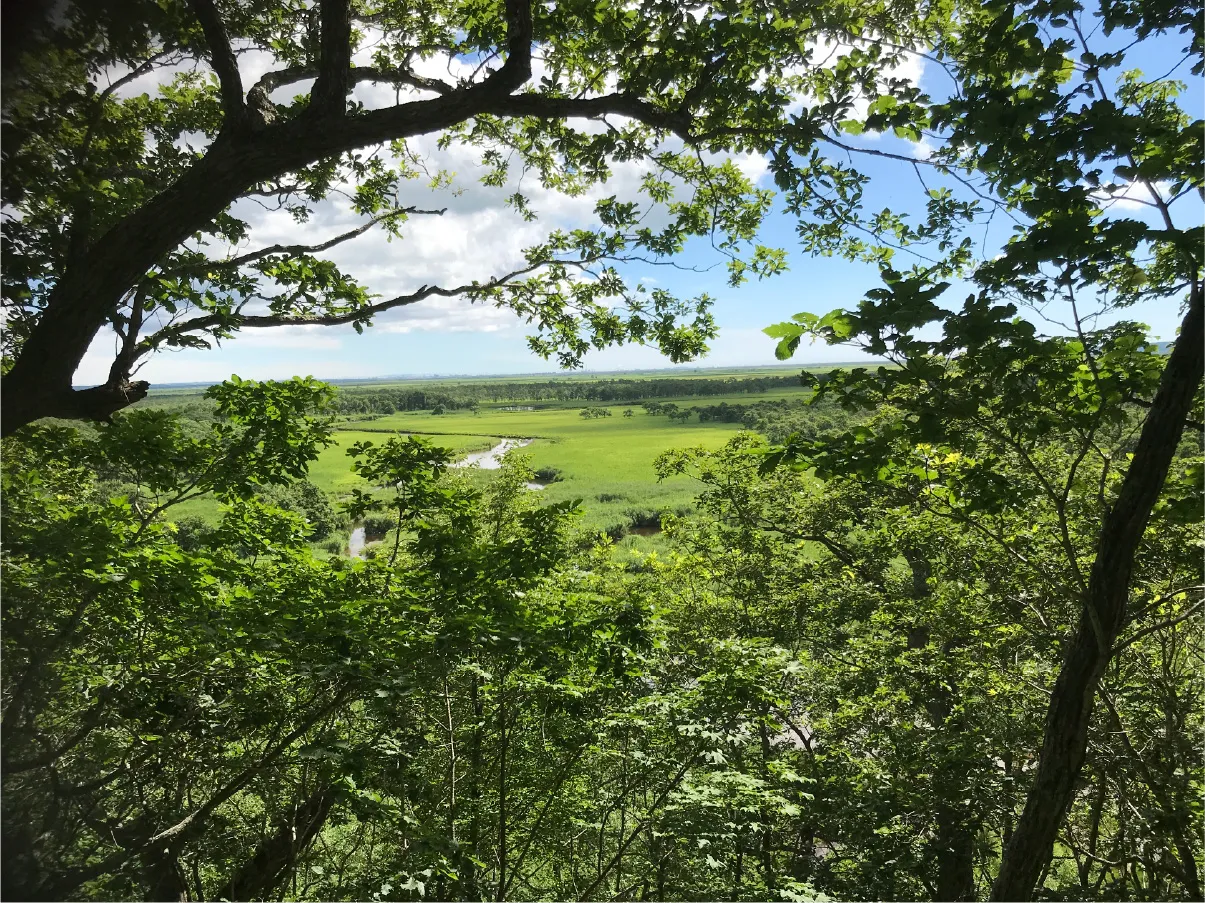
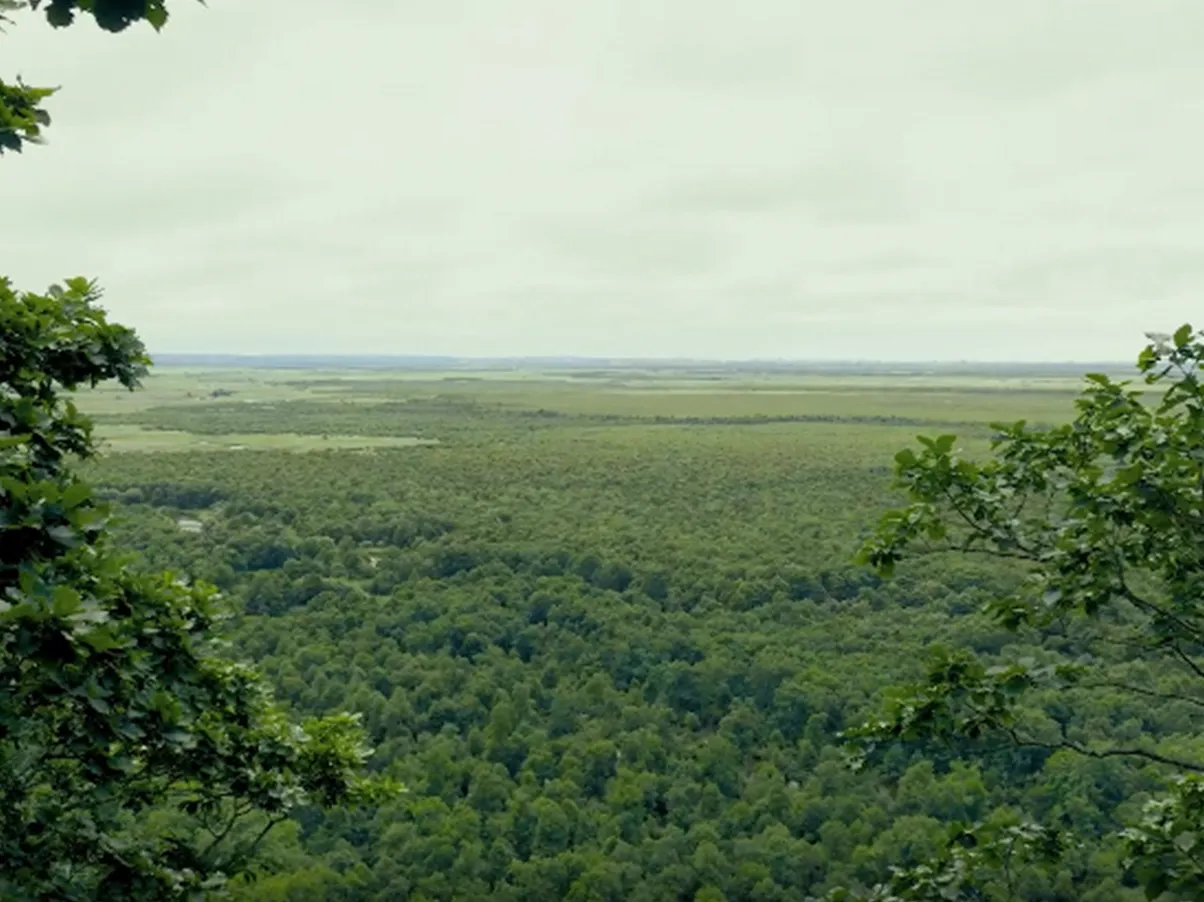
The name comes from the fact that this area was once a cape when the Kushiro Wetlands were covered by the sea. With its higher elevation, visitors can fully take in the vast scale of the Kushiro Wetlands and the beautiful meanders of the Kushiro River. Among the many viewpoints throughout the Kushiro Wetlands, this panorama stands in a class of its own and is well worth the extra time it takes to visit.
About Kushiro Shitsugen National Park and the “Miyajima Cape Area”
Kushiro Shitsugen National Park encompasses Japan’s largest wetland, whose endlessly expansive, horizontal landscape is its greatest attraction. It is home to a wide variety of wild plants and animals, including the Japanese crane, designated a Special Natural Monument of Japan, and was registered as Japan’s first Ramsar Convention wetland in 1980.
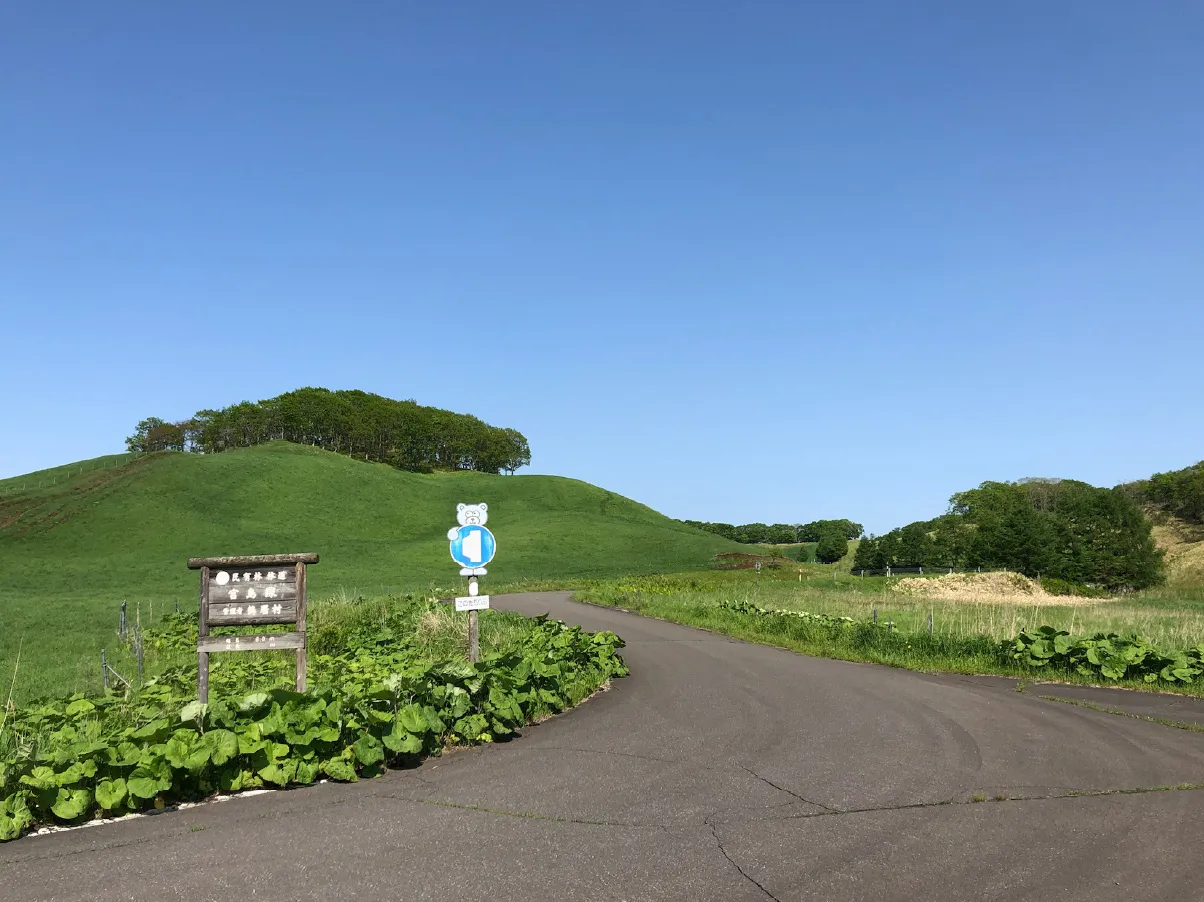
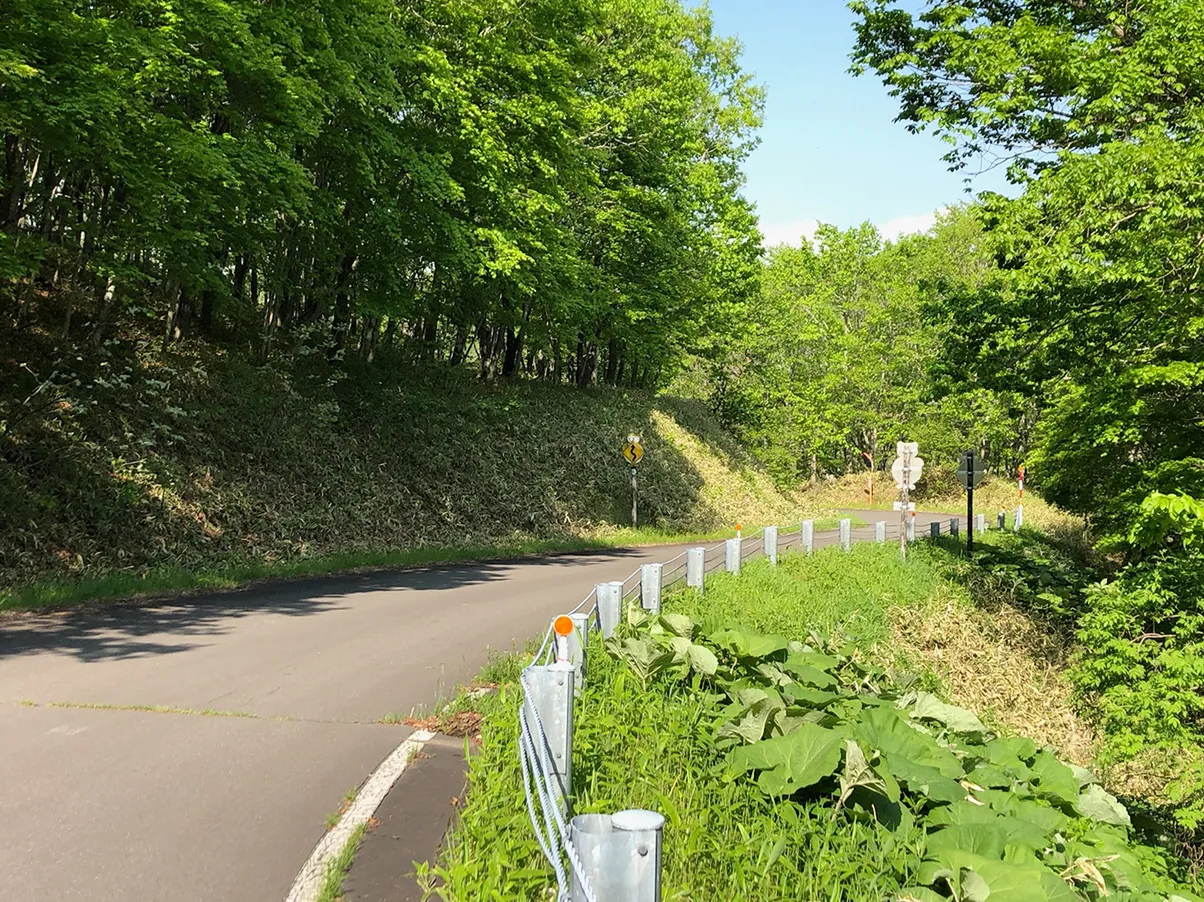
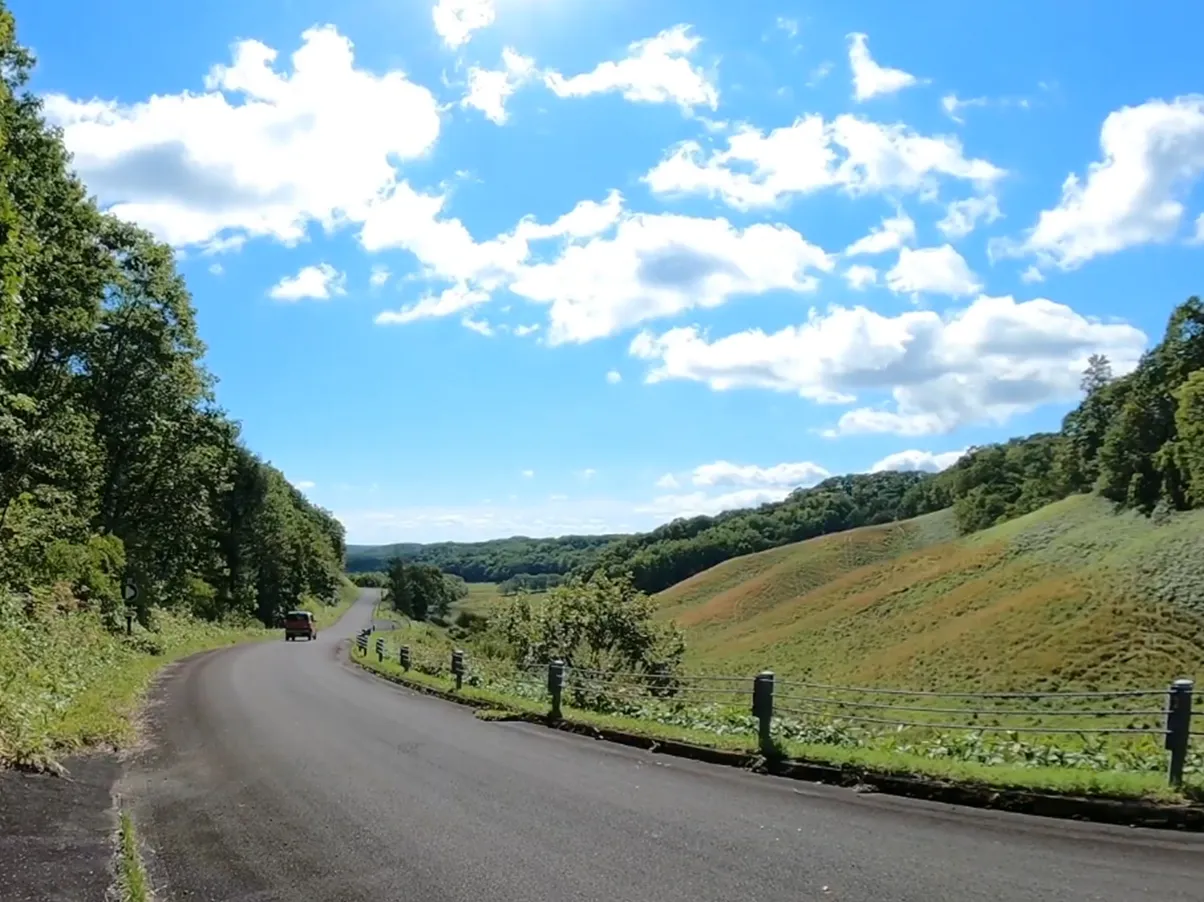
Miyajima Forest Road
A Quiet Approach Route Connecting Human Life and the Wetlands
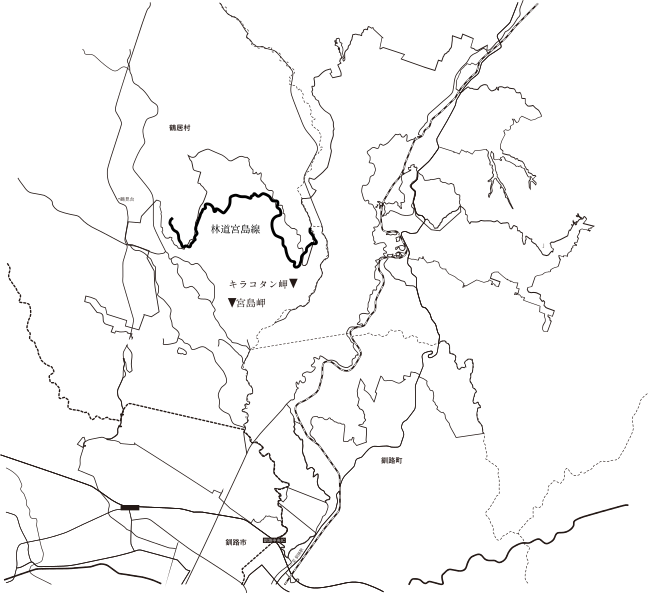
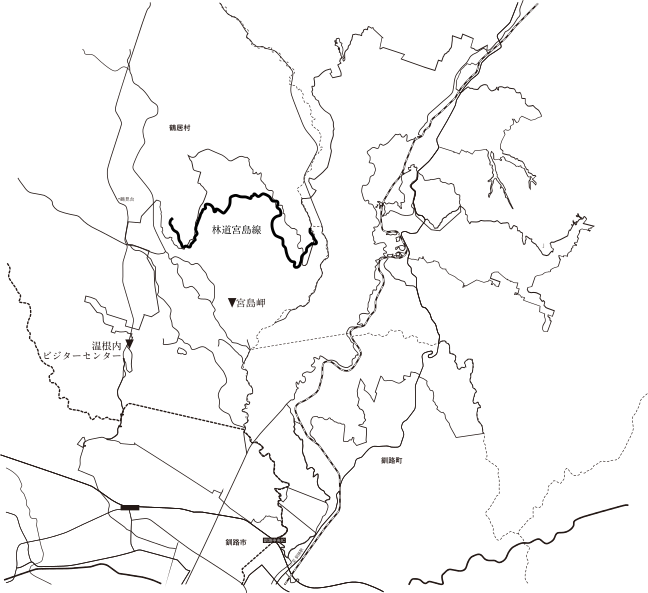
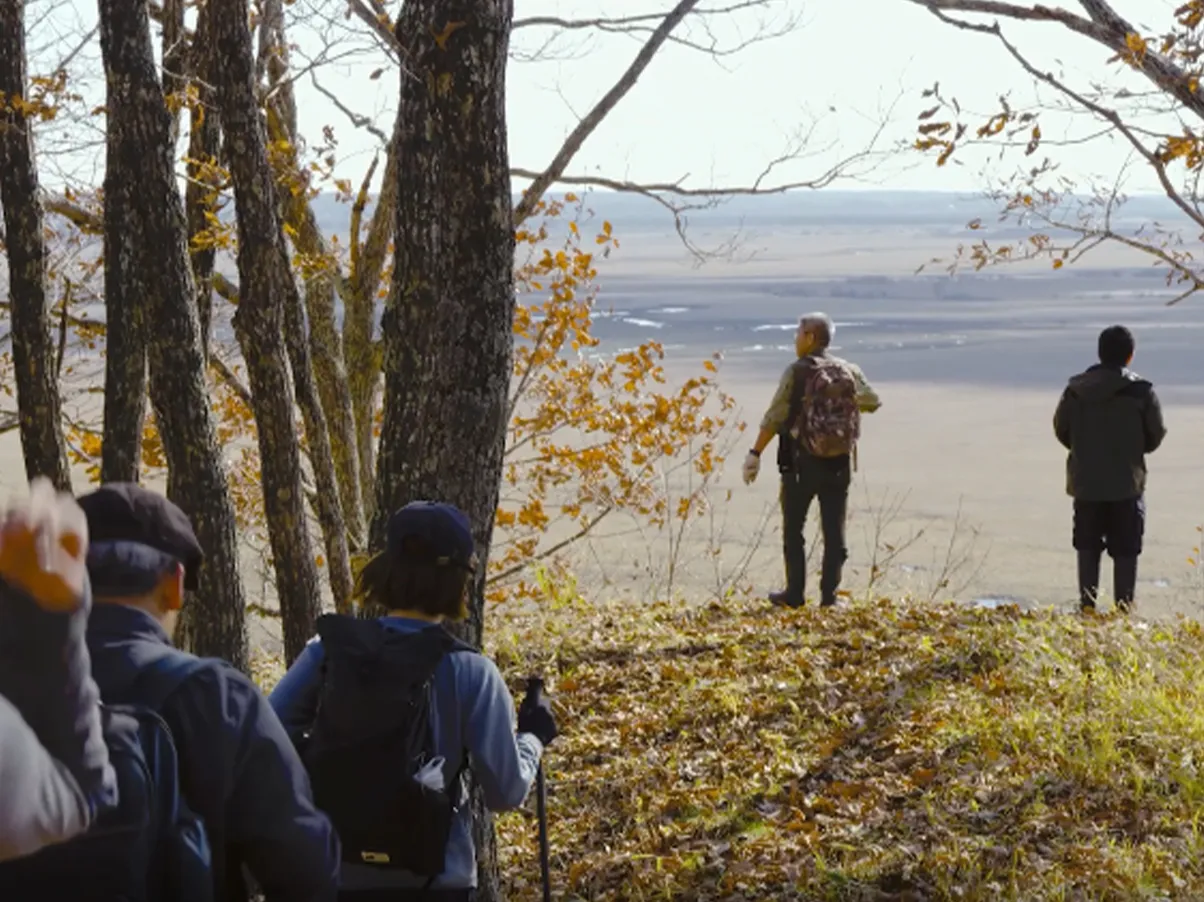
Tsurui Village spreads across the upper reaches of the Kushiro Wetlands. One of the village’s forest roads, the “Miyajima Line,” is a quiet route leading to the secluded areas of Kushiro Shitsugen National Park: Miyajima Cape and Kirakotan Cape. Along the way, cattle can be seen grazing in open pastures, and on clear days, views of the Akan mountain range unfold. In autumn, larch trees turn color, and golden fallen leaves blanket the forest road, evoking the passage of time within the forest.
The Nakata Forest Donation Commemorative Monument “Tenchirin”
Standing along the Miyajima Line, Tenchirin symbolizes the philosophy of passing nature on to future generations. In 2004, forestland adjacent to Kushiro Shitsugen National Park was donated to Tsurui Village by Nakata Sawmill Co., Ltd. Out of a commitment to wetland conservation, the donation was made on the condition that development be kept to a minimum and that native tree species be replanted after logging.
The Miyajima Forest Road is not only a route for travel, but also a path through which one can quietly sense the time Tsurui Village has spent living in harmony with nature while moving through the forest.


Tsurui Village lies in the upper reaches of Kushiro Shitsugen National Park, a tranquil settlement embraced by magnificent nature. A pristine environment where diverse life thrives—symbolized by the Japanese crane—offers visitors a profound sense of openness and calm. While protecting its beautiful scenery and rich ecosystems, the village nurtures a culture of living in harmony with nature, making it one of eastern Hokkaido’s premier nature destinations.
Located upstream within Kushiro Shitsugen National Park, Tsurui Village is surrounded by sweeping natural landscapes where clear waters nurturing Japan’s largest wetland meet pastures, forests, and rivers. As symbolized by the graceful flight of the Japanese crane, a serene environment rich in life extends throughout the area. In the past, a figure once known as the “philosopher of the wetlands” lived here, expressing a unique cultural philosophy that viewed nature, art, and daily life as one. That spirit continues to live on today, re-emerging through cultural activities such as music festivals. The combination of vast nature, stillness, and a legacy of creativity makes Tsurui Village truly one of a kind.








About the Tsurui Village Certified Guide System
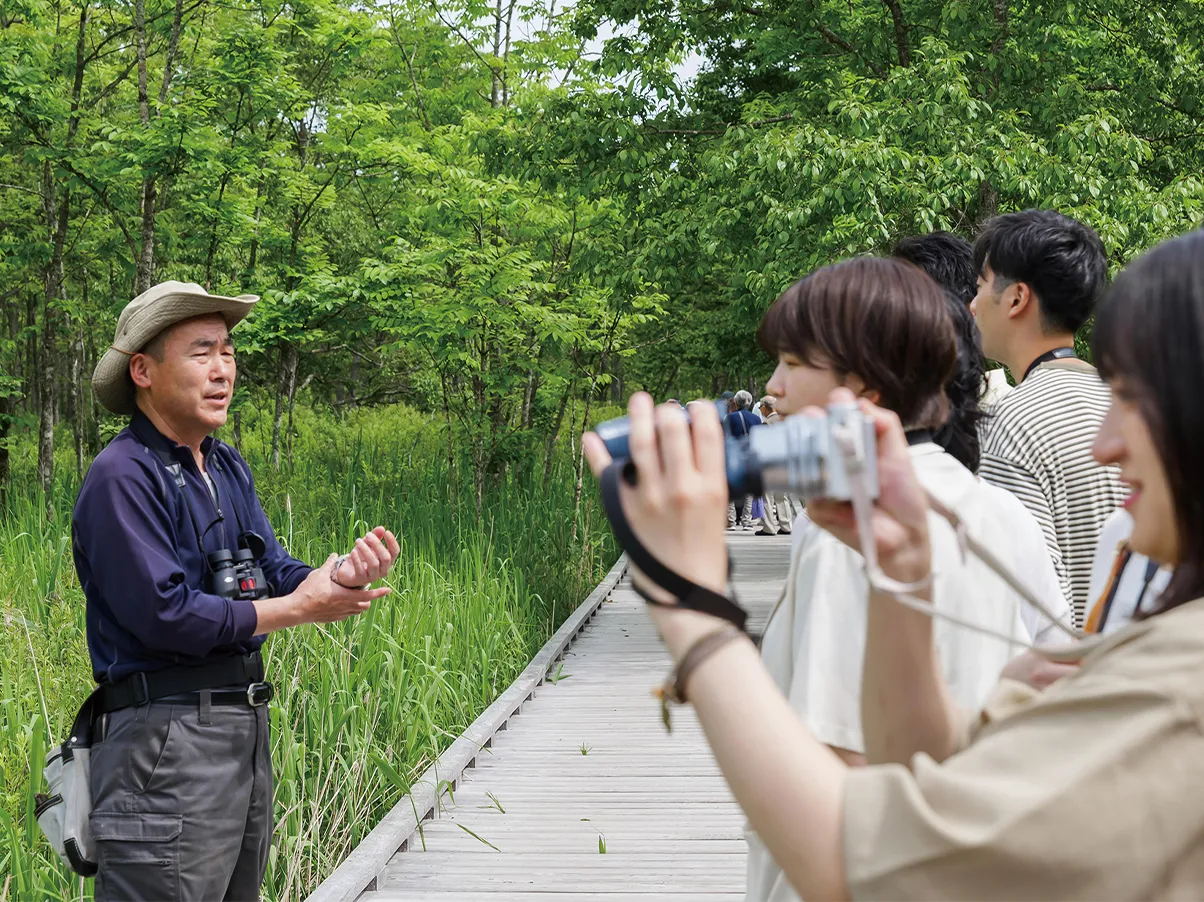
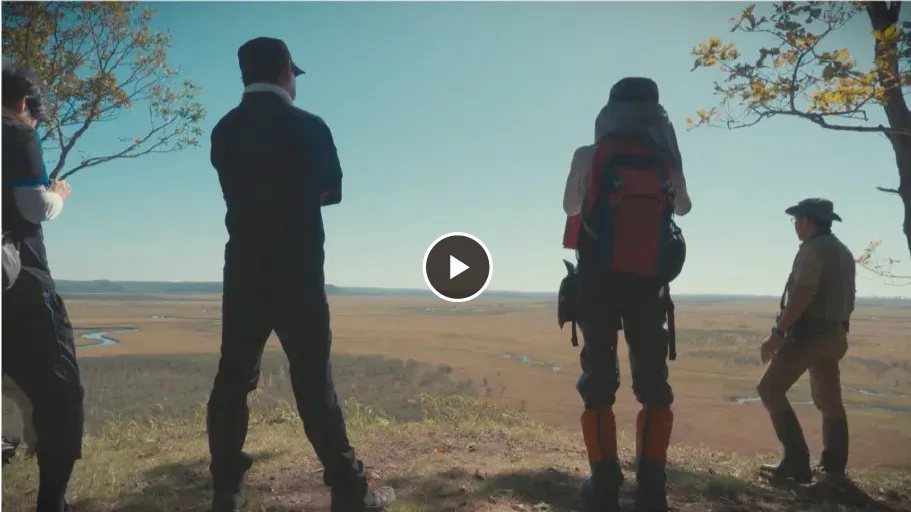
Hokkaido is rich in natural landscapes, culinary culture, and local traditions, but to understand them deeply and enjoy them safely, the presence of guides is essential. This system aims to protect the natural environment of Kushiro Shitsugen while promoting tourism and enhancing the standing of guides. Certification requires recognized Hokkaido guide qualifications, proven local experience, insurance enrollment, first-aid training, and completion of designated courses. Certified guides receive support for activities and referrals within specific areas, while also being required to follow shared rules regarding safety, brown bear countermeasures, environmental conservation, and the wearing of identification armbands.
View details of certified guides


Featured by One of the World’s Largest English-Language Japan Travel Media
Tsurui Village has been featured on Japan Guide, one of the world’s leading English-language inbound tourism platforms. A three-day model itinerary exploring the Kushiro Shitsugen National Park area was introduced, highlighting a journey that fully embraces nature, culture, and hands-on experiences.